


MLCC Guide: Model Reference for Samsung CL, Murata GRM, and Yageo CC Series
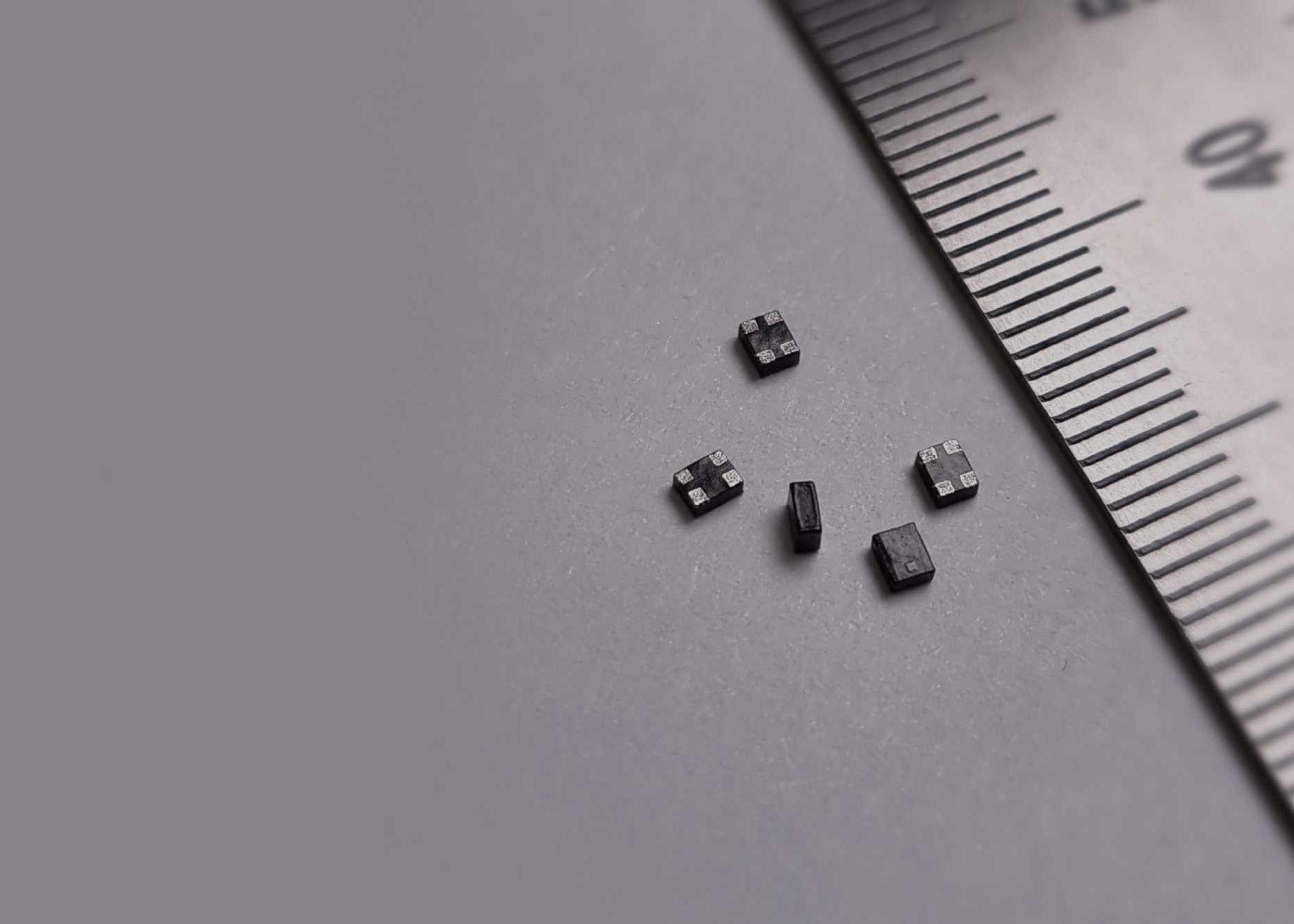 Multilayer ceramic capacitors (MLCCs) are made by alternately stacking and sintering ceramic dielectrics and metal electrodes. With extremely low equivalent series resistance and equivalent series inductance, a non-polarized design, and high volumetric capacitance density, they have become the most widely used passive components in modern electronic devices. A smartphone may use hundreds or even thousands of MLCCs; from power decoupling to RF matching, they are almost everywhere.
However, MLCC selection is far from being as simple as "just looking at capacitance and voltage rating." DC bias effects, temperature characteristic drift, aging rate, and package size can all significantly change the effective capacitance under actual operating conditions. Understanding different brands’ product systems and naming rules is the first step toward efficient selection.
Key Points for Selecting MLCCs from the Three Major Brands
The Samsung CL series covers a variety of package sizes from 0201 to 2220, with capacitance ranging from 0.1 pF to over 100 µF and rated voltage spanning from 4 V to 3000 V. In its naming rules, the dielectric code in the third position directly determines temperature characteristics: C represents C0G (ultra-low temperature drift, suitable for high-frequency, low-loss scenarios), A represents X5R (-55°C to +85°C, capacitance variation ±15%), and B represents X7R (-55°C to +125°C, capacitance variation ±15%). During selection, the dielectric type must be matched according to the circuit’s tolerance for temperature drift.
The Murata GRM series is the main product line of Murata's general-purpose MLCCs, covering consumer and industrial applications. Size codes are represented by two digits: 15 corresponds to 0402, 18 to 0603, 21 to 0805, 31 to 1206, and 32 to 1210. The GRM series has capacitance ranging from 0.1 pF to 330 µF and rated voltage from 2 V to 3150 V, and is widely used in consumer electronics, industrial, and healthcare devices.
The Yageo CC series is the model designation for Yageo's general-purpose surface-mount MLCCs, known for high versatility and stable supply. This series includes multiple dielectric types such as NPO, X7R, X6S, and X5R. In Yageo's naming system, tolerance, packaging, voltage, and capacitance all have clear codes. For example, in the voltage code, 7 represents 16 V and 9 represents 50 V, and capacitance uses a three-digit representation. For projects pursuing supply chain stability and substitution flexibility, the Yageo CC series is an option worth considering.
Classic and Reliable MLCC Models
The following summarizes the most commonly selected classic models for general circuits from each brand:
Mfr | Series | Classic Model | Package | Capacitance | Voltage Rating | Dielectric |
Samsung | CL | 0603 | 100 nF | 50 V | X7R | |
CL10B105KL9VPNC | 0603 | 1 µF | 35 V | X7R | ||
CL32B476KPJNNNE | 1210 | 47 µF | 10 V | X7R | ||
Murata | GRM | GRM188R71H104KA93D | 0603 | 100 nF | 50 V | X7R |
0402 | 10 nF | 16 V | X7R | |||
0805 | 10 µF | 50 V | X5R | |||
Yageo | CC | 0603 | 100 nF | 50 V | X7R | |
0402 | 100 pF | 50 V | NPO | |||
1206 | 100 nF | 50 V | X7R |
The 0603 100 nF/X7R/50 V models in the table (Samsung CL10B104KB8NNNC, Murata GRM188R71H104KA93D, and Yageo CC0603KRX7R9BB104) are general-purpose decoupling capacitors with highly similar parameters and can be used interchangeably in most scenarios.
Summary
The Samsung CL series, Murata GRM series, and Yageo CC series each have their own naming logic, but their core parameter dimensions are consistent: size, dielectric, capacitance, tolerance, voltage rating, and packaging. In engineering selection, it is recommended to first lock in the package and dielectric type, then determine the voltage rating and capacitance margin based on the circuit's actual operating voltage and temperature environment, and finally weigh the three brands based on supply stability and cost factors.
Website: www.conevoelec.com
Email: info@conevoelec.com


